Understand and differentiate between different noise reduction technologies
There are many types of headphones and audio products on the market today. Different audio products have different technologies and bring different audio listening effects. Here we talk about the noise reduction function. Its very important role in headphones is to reduce noise and avoid excessive amplification of the volume, thereby reducing damage to the ears. The second is to filter noise to improve sound quality and call quality. Therefore, it is generally recommended to buy active noise reduction, which will cause less damage to the ears.
Why, let’s talk about noise reduction here.
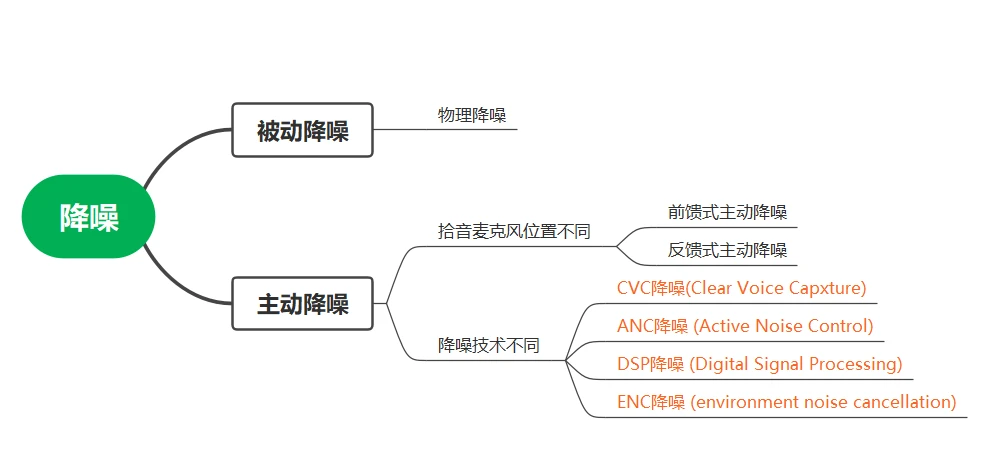
Noise reduction classification can be divided into passive noise reduction and active noise reduction
Passive noise reduction
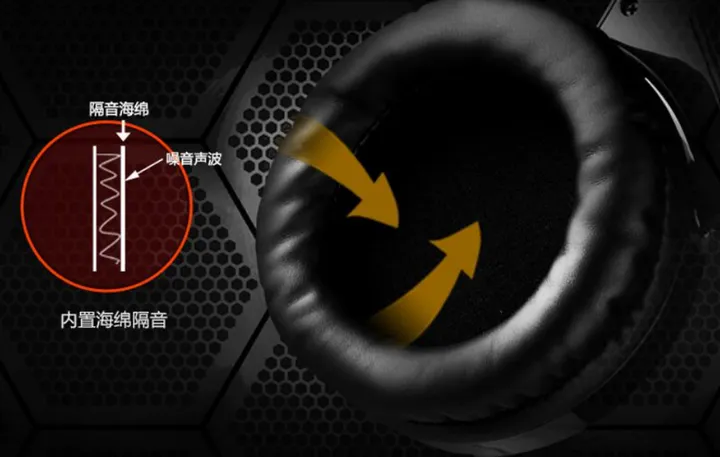
That is physical noise reduction. Passive noise reduction refers to the use of physical characteristics to isolate external noise from the ears. It mainly achieves physical sound isolation of the earphones by designing the headband of the earphones to be tighter, acoustically optimizing the earmuff cavity, placing sound-absorbing materials inside the earmuffs, etc. Passive noise reduction is very effective in isolating high-frequency sounds (such as human voices) and can generally reduce noise by about 15-20dB.
Active noise reduction
It's not about blocking your ears, it's about "cancelling" the noise.
On many audio products on the market, many noise reduction functions are marked. Generally, the main ones are ANC, ENC, CVC, DSP and other noise reduction technologies.
What are the principles of these four types of noise reduction, and what are their functions?
ANC noise reduction
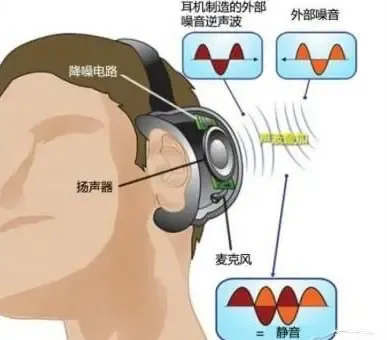
The working principle of ANC noise reduction (Active Noise Control) is that the microphone collects external environmental noise, and then the system converts it into an inverted sound wave and adds it to the speaker. The final sound heard by the human ear is: ambient noise + inverted environmental noise. The two kinds of noise are superimposed to achieve sensory noise reduction, and the beneficiary is yourself.
Active noise reduction is divided into feedforward active noise reduction and feedback active noise reduction depending on the position of the pickup microphone.
ANC noise reduction principle, as shown below:
ENC (Environmental Noise Cancellation, Environmental Noise Cancellation Technology) is mainly used to process environmental noise during calls. It uses some adaptive filtering technology or Beamforming pointing enhancement technology to transmit the call voice to the other party more clearly.
The principle of ENC noise reduction is shown in the figure below:
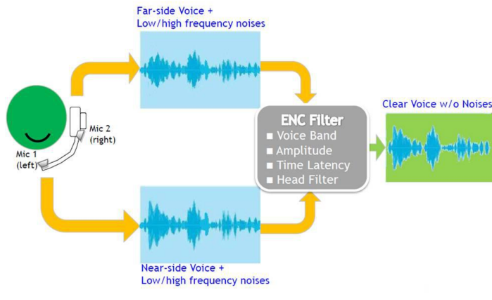
ENC noise reduction uses a dual microphone array to accurately calculate the direction of the caller's speech. While protecting the target voice in the main direction, it removes various interfering noises in the environment. It can effectively suppress 90% of reverse environmental noise, thereby reducing environmental noise up to 35dB or more, so it is especially suitable for gamers and voice communication scenarios. Gamers can communicate more freely via voice. Through the dual microphone array, it accurately calculates the direction in which the caller is speaking, while protecting the target voice in the main direction while removing various interfering noises in the environment.
DSP noise reduction
DSP(digital signal processing)Mainly for high and low frequency noise. The working principle is that the microphone collects external environmental noise, and then the system copies a reverse sound wave that is equal to the external environmental noise to offset the noise, thereby achieving better noise reduction effect. The main beneficiary is the headphone user himself.
The principle of DSP noise reduction is very similar to ANC noise reduction, but the forward and reverse noises of DSP noise reduction directly neutralize each other within the system.
The specific difference is first of all the different signal types of aliasing: ANC aliases acoustic signals, while DSP aliases digital electrical signals. Secondly, the location of aliasing is different: ANC mixes sound signals in the air from the speaker to the eardrum, while DSP mixes electrical signals inside the headphone system.
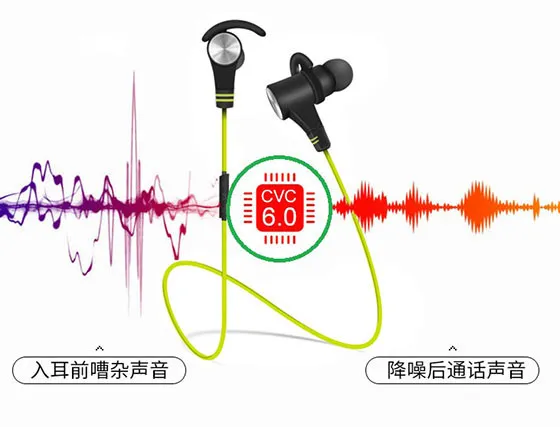
CVC (Clear Voice Capture, echo elimination) is a noise reduction technology for call software. Mainly for the echo generated during the call. Through full-duplex microphone noise cancellation software, it provides call echo and environmental noise cancellation functions. It is currently the most advanced noise reduction technology in Bluetooth call headsets. The primary beneficiary is the other party to the call.
Extension 1. Do noise-canceling headphones damage hearing?
There is currently no evidence that noise-canceling headphones cause hearing damage.
On the contrary, not only will it not harm your hearing, but it will protect your ears.
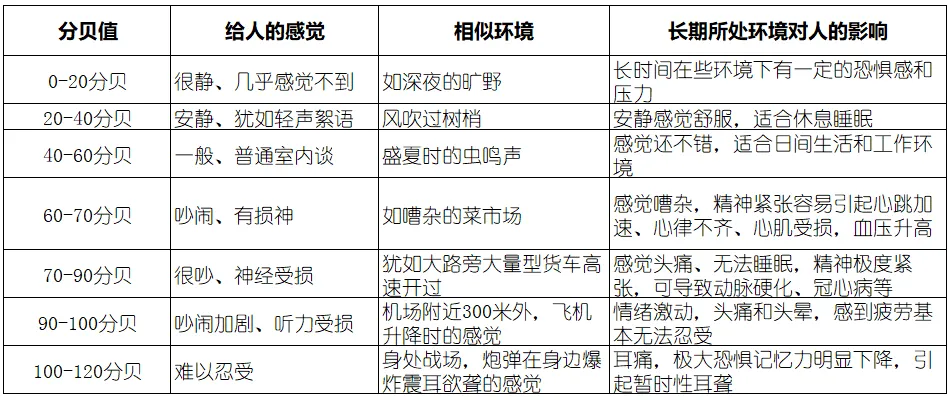
Extension 2. The impact of different noise environments on life
Note that no matter what kind of noise reduction function, the effect is not constant and will change according to the environment. The noise conditions in different environments are different, and the noise reduction algorithm is difficult to cover all environments;
A noise level of 20 to 40 decibels is a relatively quiet state;
Exceeding 50 decibels will affect sleep and rest;
70 Above the decibel level, it interferes with conversations, affects work efficiency, and may even cause accidents.
Working or living in 90 Noise environments above decibels can seriously affect hearing and lead to the occurrence of other diseases.